Planning a conference dinner seating chart
Long tables seat more people per square foot than rounds, often 15 to 20% more, which is why conference dinners use them. What you give up is conversation. On a banquet row you talk to four people; on a round you talk to nine.
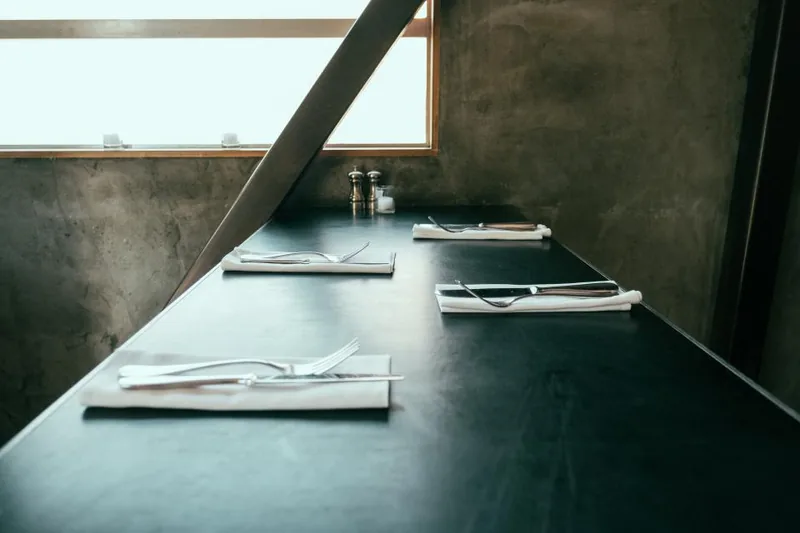
Why rows beat rounds for capacity
A round table's seats sit on its circumference, so the capacity grows with the diameter while the floor it eats grows with the square of it. A banquet row only grows in one direction. Run 8 ft tables end to end and every extra table buys you eight more seats for eight feet of floor, with none of the wasted corners you get between rounds.
Table lengths and spacing
A 96 in banquet table gives you four places a side plus one at each end, so ten in all at 24 in each. Venues often lay eight instead, three a side, which buys everyone noticeably more room. Leave 5 ft between rows: enough for somebody to push their chair back while another guest walks behind them. Any less and your inside seats have to stand up to let people past.
Head table at the top of the room
Conference dinners usually have a speaking slot, so put the head table across the top of the rows rather than in line with them. Rows running away from the head table give every seat a view along the table towards the speaker. Rows running across the room put half your guests in profile.
Name cards or open seating
Open seating on long tables fills from the ends inward and leaves the middle empty, which looks poor and wastes 10 to 15% of your places. If you're not assigning individual seats, at least assign guests to a table, and fill from the centre out.